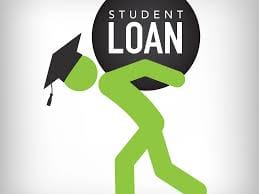
Taking on debt for higher education is a significant decision that requires careful consideration. One crucial aspect to understand is the difference between fixed vs variable student loan interest rates. Choosing the right option can significantly impact your repayment journey and overall financial well-being.
This guide breaks down the characteristics, risks, and benefits of both fixed-rate student loans and variable-rate student loans. By understanding these nuances and considering your circumstances, you can make an informed decision to maximize your repayment flexibility without overcommitting to unsustainable balances.
Understanding the Fundamentals: Fixed vs. Variable Interest Rates
Student loans typically come with one of two basic interest rate structures:
- Fixed Rate: The interest rate charged on the loan remains constant throughout the entire life of the loan. This provides the benefit of predictable monthly payments, making budgeting simpler and more stable. Learn more about fixed-rate student loans (Credible)
- Variable Rate: The interest rate on the loan fluctuates over time based on prevailing economic conditions and market indicators. This can lead to volatility in your monthly payments, potentially offering a lower initial rate but carrying more risk. Explore variable-rate student loans (Bankrate)
Thoroughly comparing the potential implications of each student loan interest rate type is crucial to making the best decision for your unique situation.
Key Factors to Consider When Choosing Your Rate Type
Several factors should influence your choice between a fixed vs variable rate student loan:
- Loan Program Eligibility: Be aware that some lenders, particularly for specific promotional periods or types of loans, might only offer one rate type or the other.
- Your Credit Profile: Borrowers with strong credit scores may qualify for lower fixed interest rates. Variable rates might appeal to those willing to take on more risk for a potentially lower initial rate.
- Repayment Timeline: The risk associated with variable rates tends to increase over longer loan terms, as there’s more time for interest rates to fluctuate upwards. For shorter repayment periods, the initial lower rate of a variable-rate loan could be advantageous.
- Current Economic Outlook: If the economic forecast suggests rising or stable interest rates, a fixed-rate loan can provide valuable protection against future increases. Conversely, if rates are expected to remain low or decrease, a variable-rate loan might lead to savings.
Ideally, understanding these factors will help you determine the optimal student loan financing approach for your education.
The Stability of Fixed Rate Loans: Pros and Cons
Fixed-rate student loans offer a sense of security and predictability that appeals to many borrowers:
Pros:
- Predictable Monthly Payments: Consistent payments throughout the loan term simplify budgeting and financial planning.
- Protection Against Rate Increases: The interest rate will never rise unexpectedly, providing a cap on the total cost of the loan. Benefit of fixed-rate loans (Earnest)
- Ideal for Risk-Averse Borrowers: Offers peace of mind by eliminating the worry of interest rate fluctuations.
- Hedge Against Future Market Hikes: Protects you from potential increases in interest rates driven by economic shifts.
Cons:
- Potentially Higher Initial Rates: Fixed interest rates can sometimes be moderately higher compared to the starting rates of comparable variable-rate loans.
- Missed Opportunity for Rate Drops: You won’t benefit from potential decreases in overall market interest rates during your loan term.
- Less Flexibility for Refinancing: If variable rates drop significantly, you might find fixed-rate loans less appealing for refinancing later on.
- May Not Be Optimal in Favorable Economic Climates:** If the economy remains stable or experiences declining interest rates, you might end up paying more with a fixed-rate loan in the long run.
The Potential Savings of Variable Rate Loans: Pros and Cons
Variable-rate student loans can be enticing due to their potentially lower initial costs:
Pros:
- Lower Introductory Rates: The interest rate is often lower at the beginning of the loan term compared to fixed-rate options.
- Potential for Short-Term Savings: If economic conditions remain favorable and interest rates stay low, you could save money on interest payments in the short term.
- Refinancing Opportunities: You might have the opportunity to refinance student loans at a lower rate if market rates decrease in the future.
- Flexibility with Cash Flow: In some cases, the potential for fluctuating monthly payments could offer some flexibility if your cash flow changes.
- Longer Terms Can Capitalize on Decreases:** For longer loan terms, there’s more potential to benefit from periods of declining interest rates.
Cons:
- Risk of Substantial Rate Increases: If the economy shifts or federal policies change, variable interest rates can rise significantly.
- Unpredictable Monthly Payments: Fluctuating payments can make budgeting challenging and create unexpected financial strain on your household. Downside of variable-rate loans (Merrimack Valley CU)
- Potential for Higher Long-Term Costs: If rates spike and remain high, you could end up paying more in interest over the life of the loan compared to a fixed-rate option.
- Increased Stress and Monitoring: Requires actively monitoring interest rate trends and assessing refinancing student loans eligibility.
- Dependability of Fixed Rates During Turbulence: In times of economic uncertainty, the stability of a fixed rate often outweighs the potential for variable rate savings.
Exploring Strategies to Hedge Your Bets
Some approaches allow borrowers to blend the stability of fixed-rate loans with the potential benefits of variable-rate loans:
- Graduated Repayment: This ties variable rates to a repayment scale that gradually increases over time, providing some predictability.
- Low Introductory APR with Fixed Increases: Some loans might offer a low initial variable rate that gradually increases to a fixed rate after a set period if not refinanced.
- Refinancing Variable to Fixed: If you secure a low variable interest rate, you can consider refinancing student loans to lock in a permanent fixed rate, capturing the savings while mitigating future risk.
- Diversifying Loan Portfolio: If taking out multiple loans, you could consider a mix of both fixed and variable-rate loans to spread your risk.
- Monthly Payment Insurance: Some lenders offer insurance that can help protect against unexpected increases in variable-rate loan payments.
READ ALSO: FHA Online Loans: Get a Home in 2025
Ultimately, the decision between a fixed vs variable student loan interest rate depends on your individual financial circumstances, risk tolerance, career prospects, and your outlook on the economy. While variable rates can offer the allure of lower initial payments, they come with inherent uncertainty. Fixed rates provide stability and peace of mind, but might have slightly higher initial costs.
Regardless of the rate type you choose, remember that staying within a comfortable debt-to-income ratio and avoiding assumptions of significant income increases are crucial for long-term financial well-being. By carefully considering your options and doing your homework, you can make a purposeful decision that supports your bright future. For more information, consult reputable resources like the Consumer Financial Protection Bureau (CFPB).



Leave a Reply
You must be logged in to post a comment.